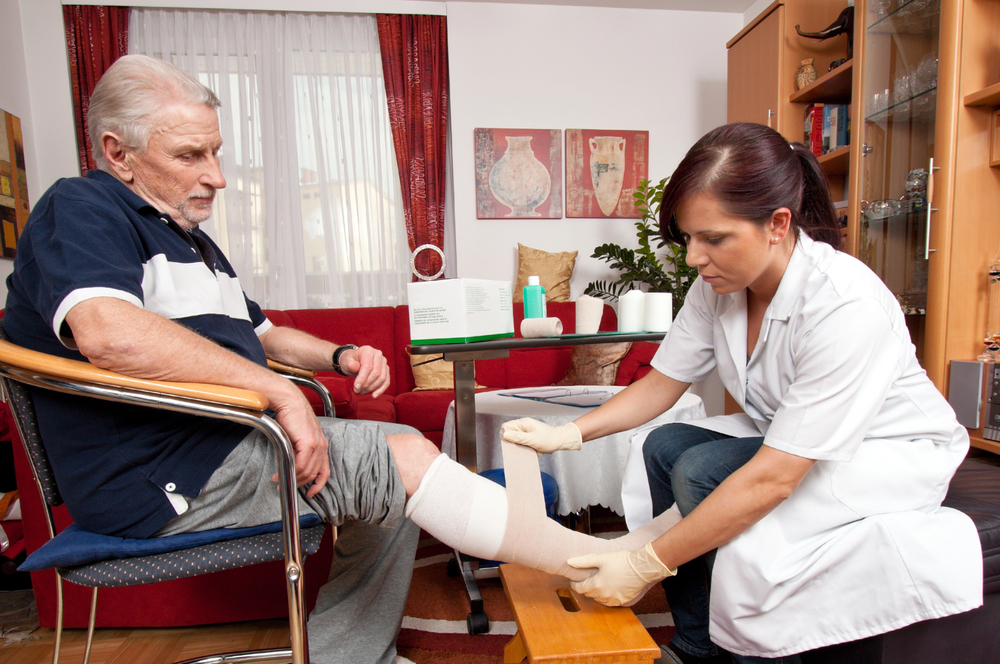
Too many families have been taught to settle when it comes to senior care. That’s true for both in-facility and at-home arrangements. Beyond the bare minimum, you should be asking providers for personalized care encompassing not only the right kind of help, but the right kind of help at the right time and place. This article explains how to do so while elaborating on what the heart of customized care really means.
What is Personalized Care?
Personalized care is an approach to senior support in which each individual’s unique needs, preferences, health conditions, and life circumstances form the basis of services provided. Rather than applying a one-size-fits-all model, personalized care means creating customized plans that adapt to a person’s specific medical requirements, daily routines, cultural background, and personal goals. Such plans can include things like tailored medication management, specialized therapy programs, dietary accommodations, and social activities that align with a given client’s interests and abilities.
The foundation and heart of personalized care lies in building genuine relationships and understanding the whole person at hand, not just their diagnoses or limitations. Care providers take time to learn about life history, family dynamics, hobbies, and values, then integrate what they learn into their care strategy.
Personalized Care for Seniors vs. Regular Care
To get at the beating heart of customized client care, let’s break down how it’s different from the regular kind.
Personalized care involves:
- Individual Assessment: Comprehensive evaluation of each person’s unique needs, preferences, and circumstances
- Customized Care Plans: Services tailored to specific medical conditions, daily routines, and personal goals
- Relationships: Care providers invest time in understanding the person’s life history, values, and interests
- Flexible Scheduling: Care adapts to the senior’s preferred routines and timing
- A Holistic Approach: Addresses physical, emotional, social, and spiritual well-being
- Cultural Sensitivity: Incorporates cultural background and traditions into care delivery
- Family Engagement: Actively includes family preferences and dynamics in care planning.

Regular care involves:
- Standardized Protocols: One-size-fits-all approach applied to all clients
- Basic Medical Focus: Primarily addresses immediate health needs and safety requirements
- Task Prioritization: Emphasis on completing scheduled activities rather than building relationships
- Fixed Schedules: Rigid timing that may not align with individual preferences
- Limited Scope: Focuses mainly on physical care and basic daily activities
- Generic Approach: Minimal consideration of cultural or personal background
- Minimal Family Input: Limited involvement of family members in care decisions
Why You Should Care About Personalized Care
With quality senior care being as hard as it is to acquire already, it’s easy to give up on personalized care. Ask any family who’s experienced both kinds, however, and you’ll learn case-specific support is more than worth any potential extra time and investment.
Here’s more on why:
Personalized Care is Holistic
A holistic approach ensures that seniors receive not only the clinical support they need but also the emotional, social, and spiritual care that helps them maintain dignity, independence, and quality of life as they age.
Better Health Outcomes
When care plans are tailored to individual medical conditions, medication schedules, and physical limitations, seniors experience fewer complications and setbacks. Personalized monitoring means potential issues are caught early, and treatments are adjusted based on what actually works for each person rather than generic protocols.
Increased Independence and Confidence
Customized care focuses on preserving and enhancing the abilities seniors still have, rather than taking over completely. This approach helps maintain their sense of autonomy and self-worth, leading to greater confidence in daily activities and decision-making.
Stronger Family Relationships
When care providers understand family dynamics and involve loved ones in meaningful ways, it reduces stress and conflict. Families feel heard and valued, creating a collaborative environment that benefits everyone involved.
Higher Satisfaction and Comfort
Seniors who receive care that respects their preferences, routines, and cultural background are more likely to feel comfortable and satisfied with their support. This leads to better cooperation with caregivers and a more positive overall experience.
Cost Effectiveness Over Time
While personalized care may require more initial investment, it often prevents costly emergency interventions, hospitalizations, and placement changes that result from poorly matched care arrangements. The right care from the start saves money in the long run.

The Heart of Customized Client Care is Right Here
Peak Home Healthcare is purpose-driven in the sense that we believe every senior deserves care that honors their individual story, preferences, and goals. We don’t see clients as medical conditions to manage or tasks to complete—we see them as whole people with rich histories, unique needs, and the right to maintain their dignity and independence.
The right service provider is at the heart of customized care. Reach out today to learn why that’s us.